An investigation by BBC Africa Eye has revealed a troubling scheme in Uganda where scammers are allegedly using injured dogs to manipulate animal lovers into sending money online.
Reporting from Mityana, journalists Chiara Francavilla, Godfrey Badebye and Catherine Namugerwa uncovered what appears to be a coordinated effort to exploit sympathy through disturbing social media content.
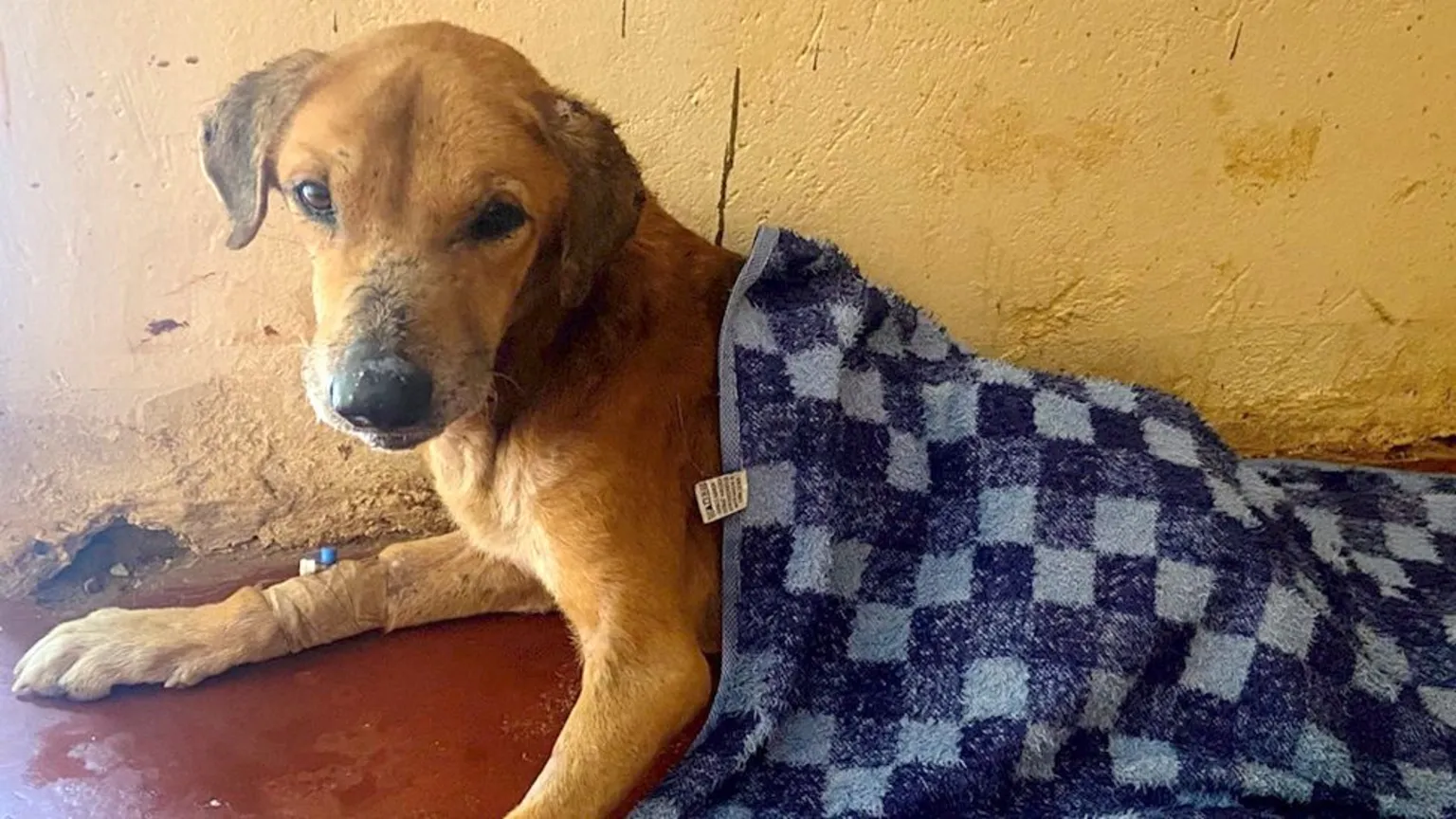
At the centre of the investigation is a dog later named Russet by a donor in the UK. In a widely shared video, the rust-coloured dog is seen lying by the roadside, breathing heavily, as captions urge viewers to donate to save his life. The clip quickly spread across multiple platforms, and within weeks, the same dog appeared in hundreds of fundraising posts run by different accounts.
Thousands of dollars were raised, but Russet never recovered.
According to the BBC, the dog had been used as part of a wider network of deceptive campaigns. While it remains unclear exactly how his injuries were sustained, journalists were able to piece together a story that suggests prolonged suffering.
The investigation traces much of this activity back to Mityana, a town roughly 70 kilometres from Kampala, which has quietly gained notoriety among online animal welfare groups. There, social media accounts flood platforms like TikTok, Instagram and Facebook with videos showing distressed animals, often paired with emotional appeals for urgent donations.
For many viewers abroad, especially in Europe and North America, the images are difficult to ignore. The videos often play into existing perceptions about poverty and animal welfare in Africa, making the appeals feel even more urgent and real.
But behind the scenes, the reality appears very different.
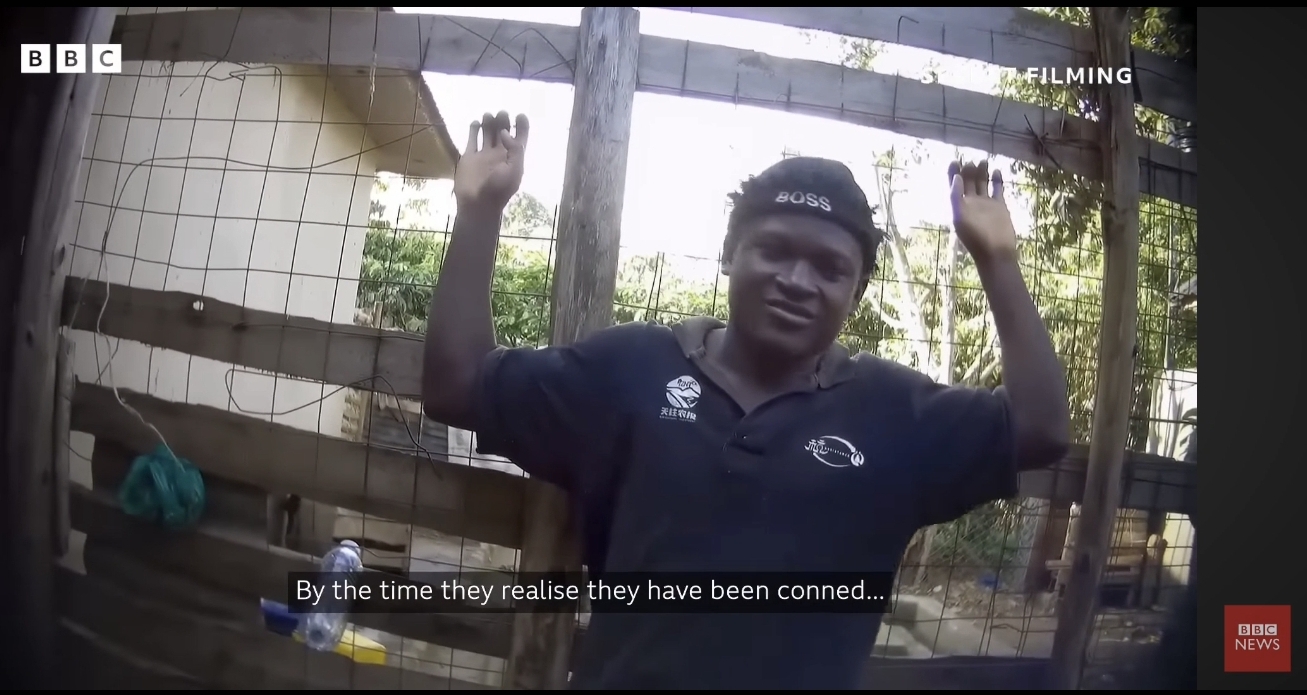
Undercover reporters from BBC Africa Eye visited some of the so-called shelters and found dogs crammed into small spaces, weak, underfed and lying in their own waste. In one case, a man identified as Charles Lubajja openly described how the system works. According to the hidden recordings, content creators pay to access dogs, film them in distressing conditions, and then post the videos online to solicit donations.
He also described tactics used to increase earnings, including staging fake treatments and exaggerating the cost of care. In some instances, he suggested, creators would invent emergencies or threats to make donors act quickly.
The scale of the operation is significant. Data analysed by the BBC indicates that more than $730,000 has been raised over the past five years for animal-related campaigns linked to Uganda, with a large share connected to Mityana.
For activists like Nicola Baird, the issue is deeply personal. She says she once donated to help a dog she believed needed urgent surgery, only to later suspect that the images she received were staged. That experience led her to join others in exposing suspicious accounts and warning potential donors.
Some activists believe that, in extreme cases, animals may even be deliberately harmed to create more compelling content, although such claims are difficult to independently confirm. During the undercover investigation, Lubajja himself acknowledged that there had been instances where dogs were intentionally injured, though he suggested such practices had declined after donors began raising concerns.
Russet’s story ended in tragedy. After weeks of being circulated across fundraising campaigns, he was eventually taken from Mityana to a veterinary clinic in Kampala by a donor who had negotiated his release. Veterinarian Isa Lutebemberwa operated on him, but the dog died days later. He later told the BBC that the pattern of injuries raised serious doubts about whether they were caused by an accident.
Local authorities have previously taken action. Police confirmed that in 2023, dozens of dogs were rescued from a suspected sham shelter in Mityana, and several individuals were arrested. However, the case was later closed with warnings issued.
Animal welfare advocates now say the problem is being fuelled, in part, by well-meaning donors who act quickly without verifying the legitimacy of the campaigns. Bart Kakooza, from the Uganda Society for the Protection and Care of Animals, told the BBC that such donations may unintentionally sustain the cycle of abuse.
Efforts are underway by activists and legal groups to pursue stronger action, including private prosecutions aimed at dismantling the networks behind these operations. But for many, the priority remains raising awareness.
As the BBC investigation shows, the emotional pull of a single video can travel thousands of miles in seconds. And while donors may believe they are saving a life, the reality for some of these animals may be far more painful.